Relics of War: Justice, Culture, and Community in Times of Conflict
On View Now through November 13, 2026
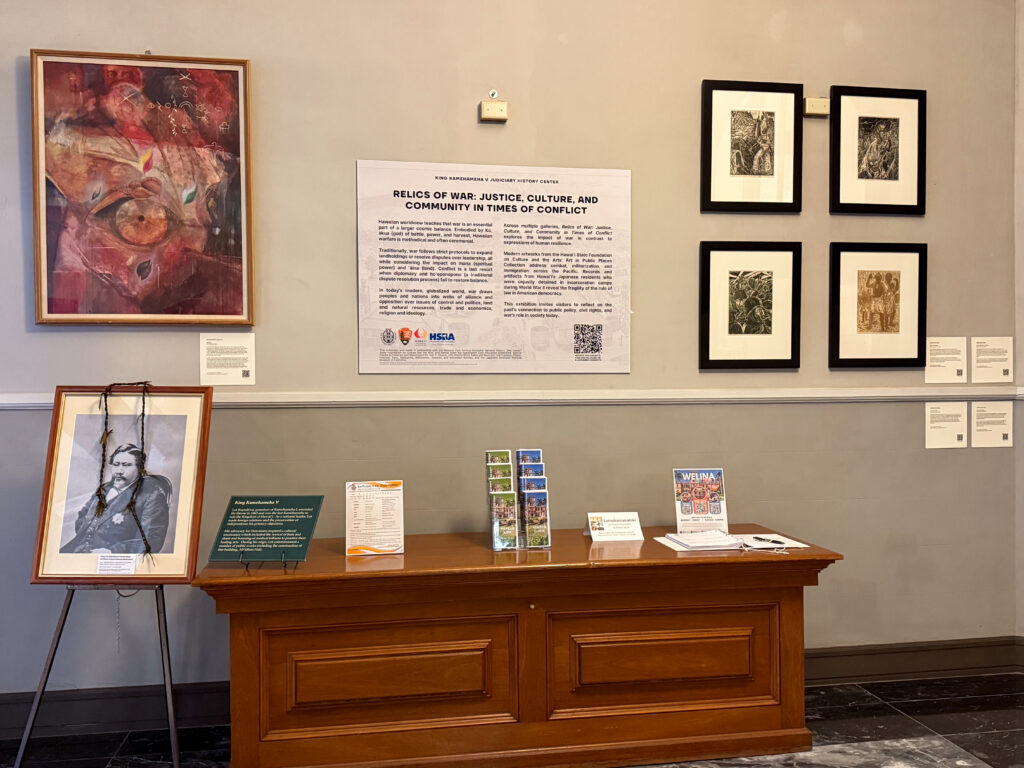
This temporary exhibition is presented in honor and celebration of the 10th Anniversary of Honouliuli National Historic Site by the King Kamehameha V Judiciary History Center in partnership with the National Park Service’s Honouliuli National Historic Site, Hawaiʻi State Foundation on Culture and the Arts, and Hawaii State Bar Association Civic Education Committee.
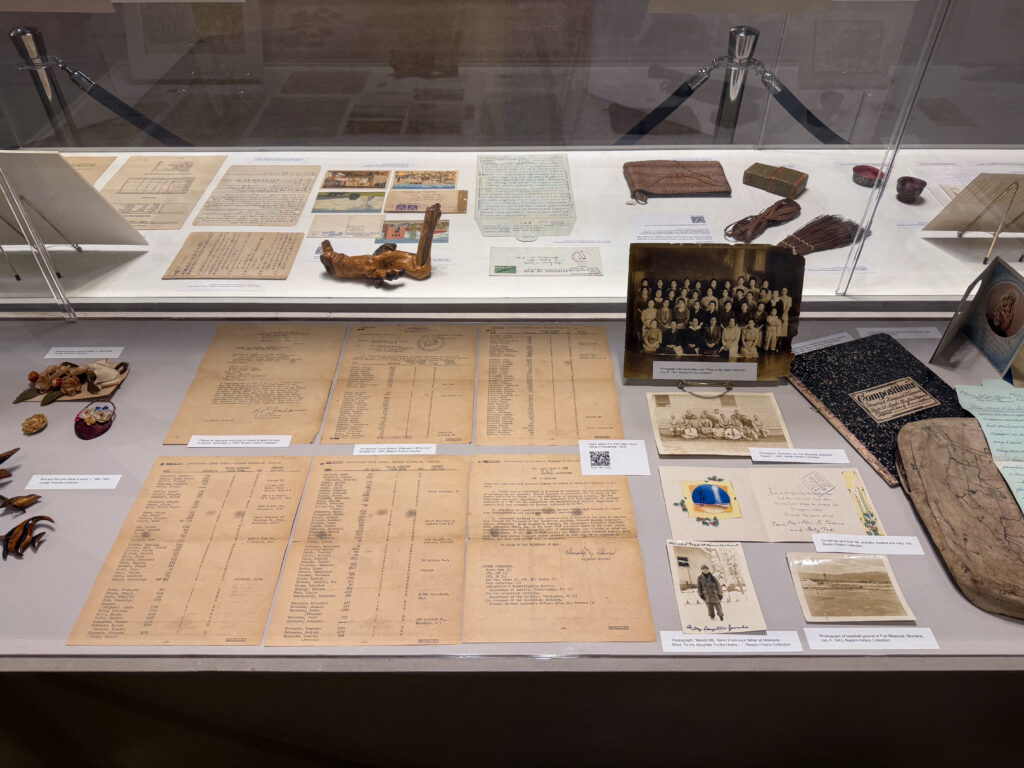
All of the Judiciary History Center’s galleries are activated for this exhibition, featuring:
Art, artifacts, and records from Issei and Nisei (first and second-generation Japanese immigrants) detained in U.S. incarceration camps during World War II
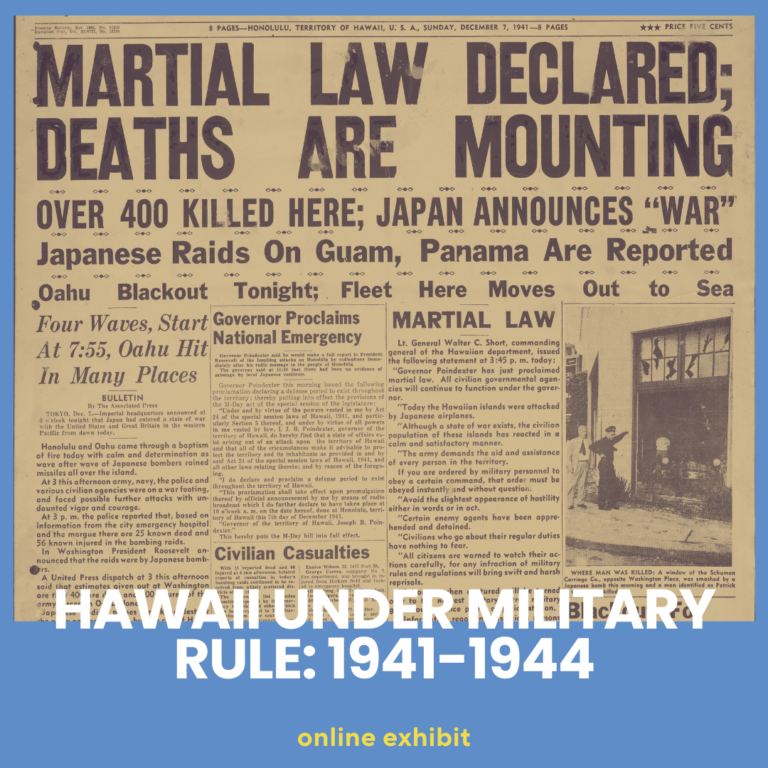
Research about Hawaiʻi’s Supreme Court and Territorial Attorney General J. Garner Anthony during the war
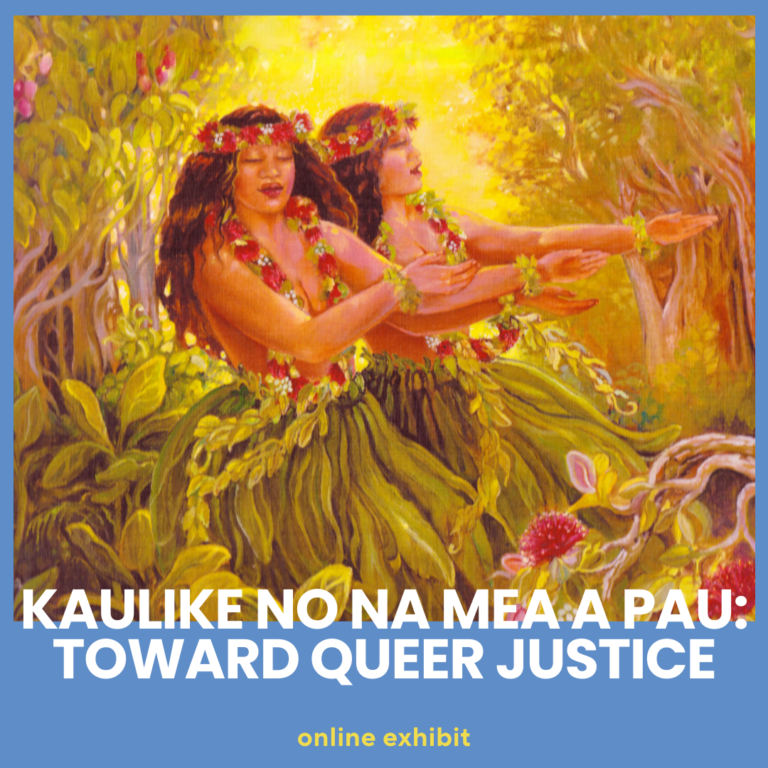
Modern artwork from the State Foundation on Culture and the Arts Art in Public Places Collection, and
National Park Service exhibit banners on Honouliuli and the history of Japanese in Hawaiʻi
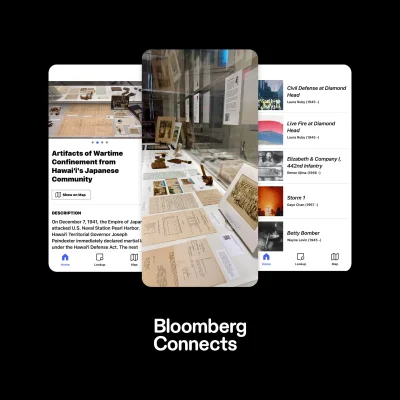
Free Digital Guide on Bloomberg Connects
Explore the Judiciary History Center with our digital guide on Bloomberg Connects, the free arts and culture app. The mobile guide offers digital access to content in our permanent galleries and temporary exhibitions, with multilingual capabilities available through Google Translate. JHC is proud to join over 150 local and international museums, galleries, sculpture parks, gardens, and cultural spaces on Bloomberg Connects.
After downloading the Bloomberg Connects app on your phone, search for or scroll to “Judiciary History Center” to start planning your visit. When you visit us in Aliʻiōlani Hale, look for and scan the Bloomberg Connects QR codes near artwork and artifacts for a deeper look.